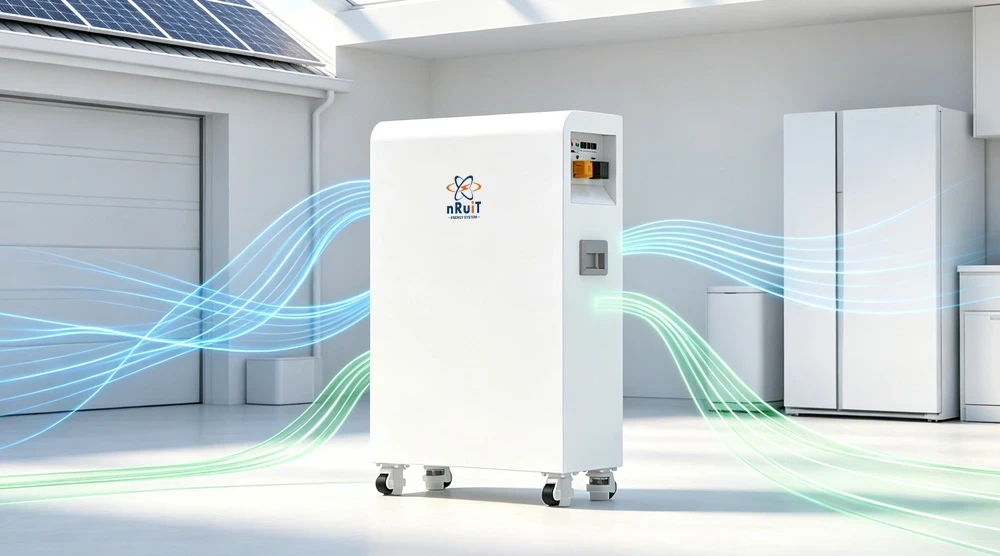
A 30kWh battery energy storage system (BESS) is a high-capacity energy storage solution designed to store electricity generated from solar panels or the grid and provide power when needed.
With a storage capacity of 30 kilowatt-hours (kWh), this type of battery system is commonly used for large residential homes, villas, backup power applications, and solar energy storage projects.
A complete 30kWh battery energy storage system usually includes:
Lithium battery modules
Battery Management System (BMS)
Energy management system (EMS)
Communication system
Hybrid inverter integration
By storing excess solar energy during the day and using it at night or during power outages, a 30kWh battery storage system helps homeowners improve energy independence and reduce electricity costs.
A residential 30kWh battery storage system works together with solar panels and an inverter to manage household energy.
The working process includes four main steps:
During the daytime, solar panels generate electricity from sunlight.
The generated electricity can directly supply household appliances. Any extra solar energy can be stored in the battery system.
When solar production is higher than household consumption, the excess electricity is stored in the 30kWh battery system.
This stored energy can be used later when solar power is unavailable.
At night or during low sunlight conditions, the battery releases stored energy to power household loads.
This improves solar self-consumption and reduces dependence on the electrical grid.
When a grid failure occurs, the battery energy storage system can provide backup power for essential household equipment.
Applications include:
Lighting
Refrigerators
Internet equipment
Security systems
Home appliances
A 30kWh battery provides enough capacity for households that require more stored energy.
It helps homeowners:
Increase solar energy usage
Reduce electricity bills
Reduce grid dependence
Improve energy security
Power outages can interrupt daily life and business activities.
A 30kWh battery storage system provides stable backup power and keeps important household equipment running during emergencies.
Without battery storage, excess solar electricity may be wasted or exported to the grid.
With a battery energy storage system:
Solar Energy → Battery Storage → Home Usage
This allows homeowners to maximize renewable energy utilization.
Although a larger battery requires initial investment, it can reduce long-term electricity expenses through:
Solar energy storage
Peak electricity reduction
Improved energy efficiency
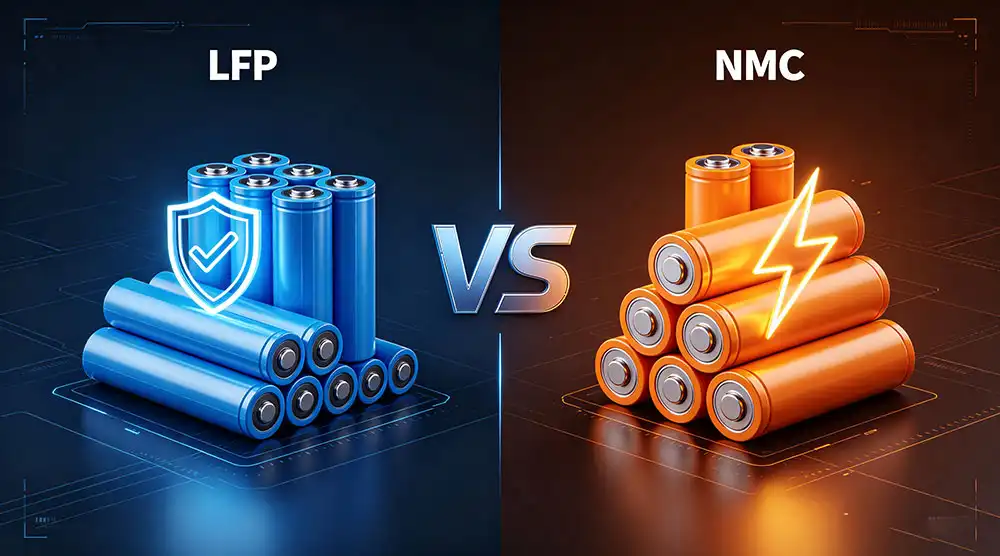
Most modern residential battery storage systems use Lithium Iron Phosphate (LiFePO4) battery technology.
LiFePO4 batteries provide several advantages:
Lithium iron phosphate batteries have excellent thermal stability and are suitable for long-term residential energy storage.
High-quality LiFePO4 batteries can support thousands of charge and discharge cycles.
They provide efficient energy conversion and stable performance.
Compared with traditional lead-acid batteries, lithium batteries require less maintenance.
When selecting a residential battery energy storage system, homeowners and installers should consider:
Choose the battery capacity according to:
Daily electricity consumption
Solar system size
Backup power requirements
A reliable battery system should include:
High-quality battery cells
Intelligent BMS protection
Temperature monitoring
Safety protection functions
The battery should support communication with hybrid inverters through protocols such as:
RS485
CAN communication
A professional energy storage manufacturer should provide:
Product warranty
Technical assistance
Installation guidance
After-sales support
30.05kWh Residential Battery Energy Storage System
Letzter Artikel:LFP vs NMC Battery: Which Is Better for Energy Storage?
Nächster Artikel:Nicht Mehr